Physical Therapy vs. Pain Medication for Back Pain: What Philadelphia Patients Should Know in 2026
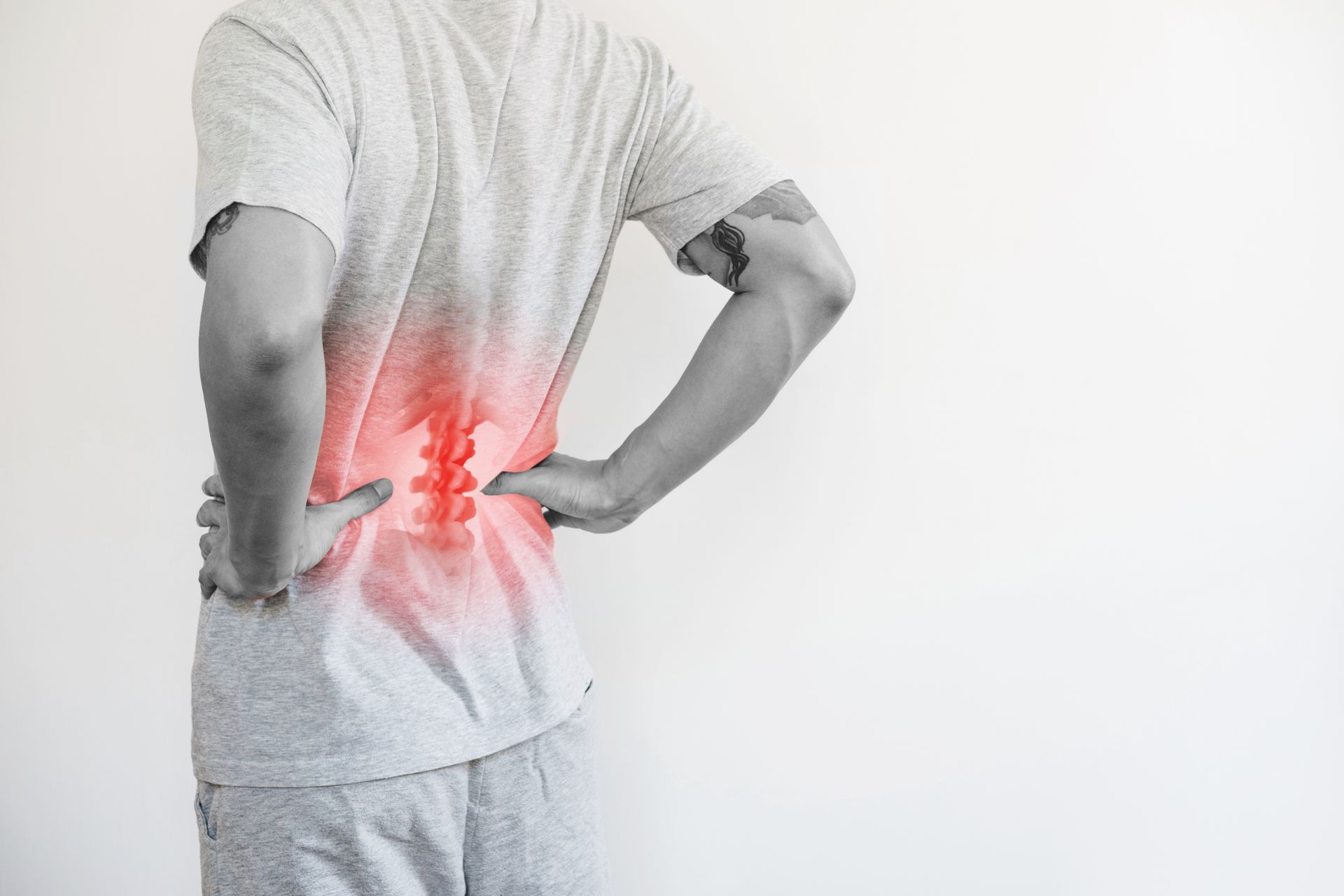
Back pain affects millions of Americans, and Philadelphia patients in 2026 face a critical choice between back pain treatment with physical therapy and relying on pain medication. Understanding the differences between these two approaches can help patients make informed decisions, recover faster, and protect their long-term health.
The Core Difference Between Physical Therapy and Pain Medication
Physical therapy targets the root cause of back pain, while medication primarily manages the symptom of pain. Medication can offer short-term relief and may be appropriate immediately after an injury or surgery. However, it does not strengthen muscles, improve movement patterns, or correct the underlying issues that cause pain to return.
Physical therapy, on the other hand, works to rebuild function. A therapist evaluates your posture, movement, and muscle strength to understand why you are hurting. From there, a hands-on care plan can address those causes directly. For many patients, this approach to back pain treatment may lead to more lasting results than managing pain with pills alone.
Risks of Long-Term Pain Medication Use for Back Pain
Long-term pain medication carries real risks that every Philadelphia patient should understand. Pennsylvania has taken significant steps to address both chronic pain treatment and the opioid crisis, with the state's approach emphasizing multimodal pain management and encouraging providers to use a combination of treatments rather than relying solely on medication.
Pennsylvania limits initial opioid prescriptions to a 7-day supply for acute pain and requires providers to check the state's mandatory Prescription Drug Monitoring Program (PA PDMP) before prescribing. These regulations exist for good reason. Opioids carry risks of dependence, tolerance, and side effects that can compound over time.
Beyond dependency concerns, pain medication does not rebuild the muscles or tissues that support your spine. A patient may feel relief while taking medication but still have weak core muscles, poor posture, or restricted movement that makes it likely that pain will return once the medication stops.
How Hands-On Physical Therapy Can Reduce Reliance on Medication
Hands-on physical therapy can directly reduce the need for pain medication. In one study comparing patients with low back pain who saw a physical therapist as their first point of care, those patients were 89 percent less likely to receive an opioid prescription, and researchers also found a nearly 30 percent decrease in the use of advanced diagnostic imaging.
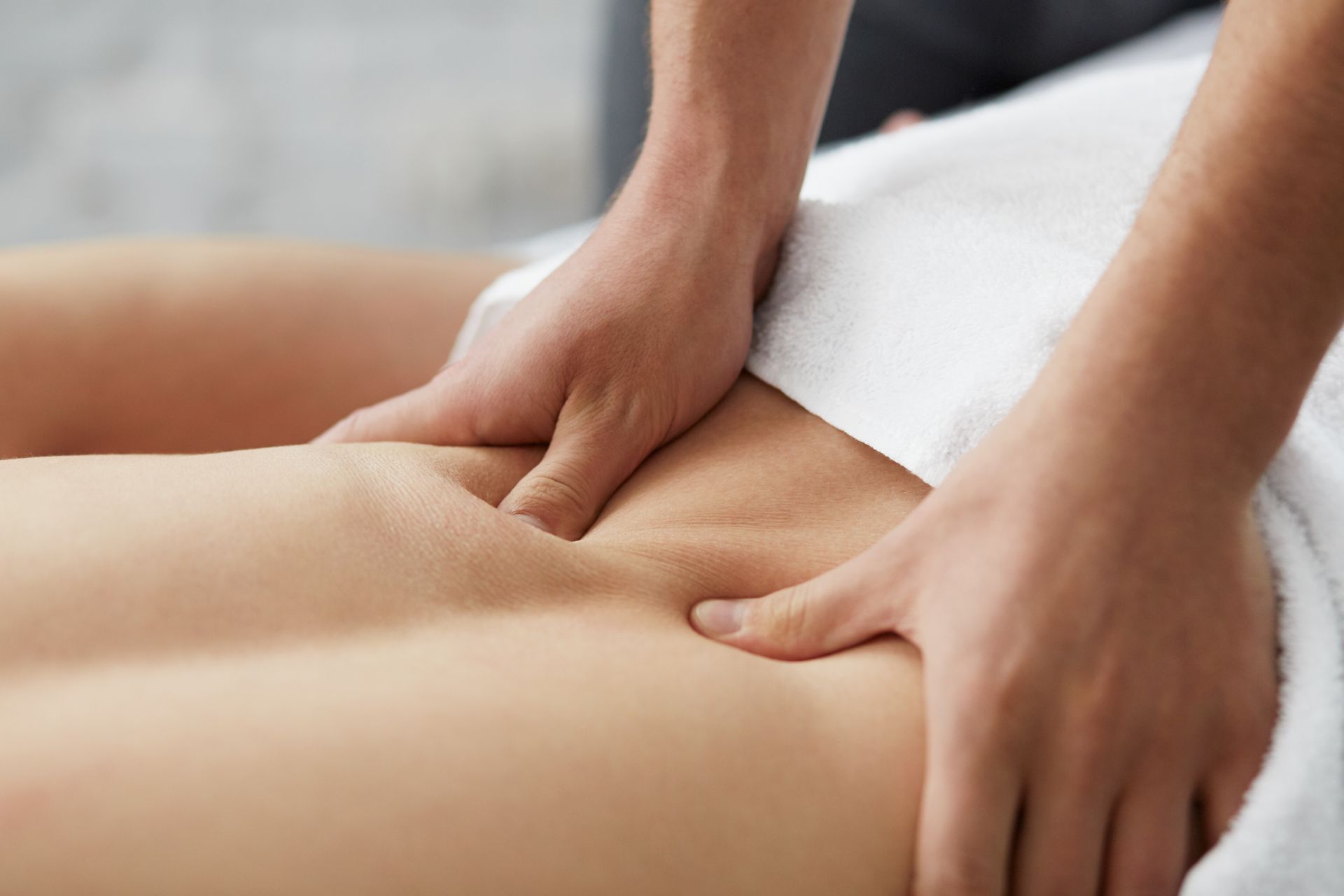
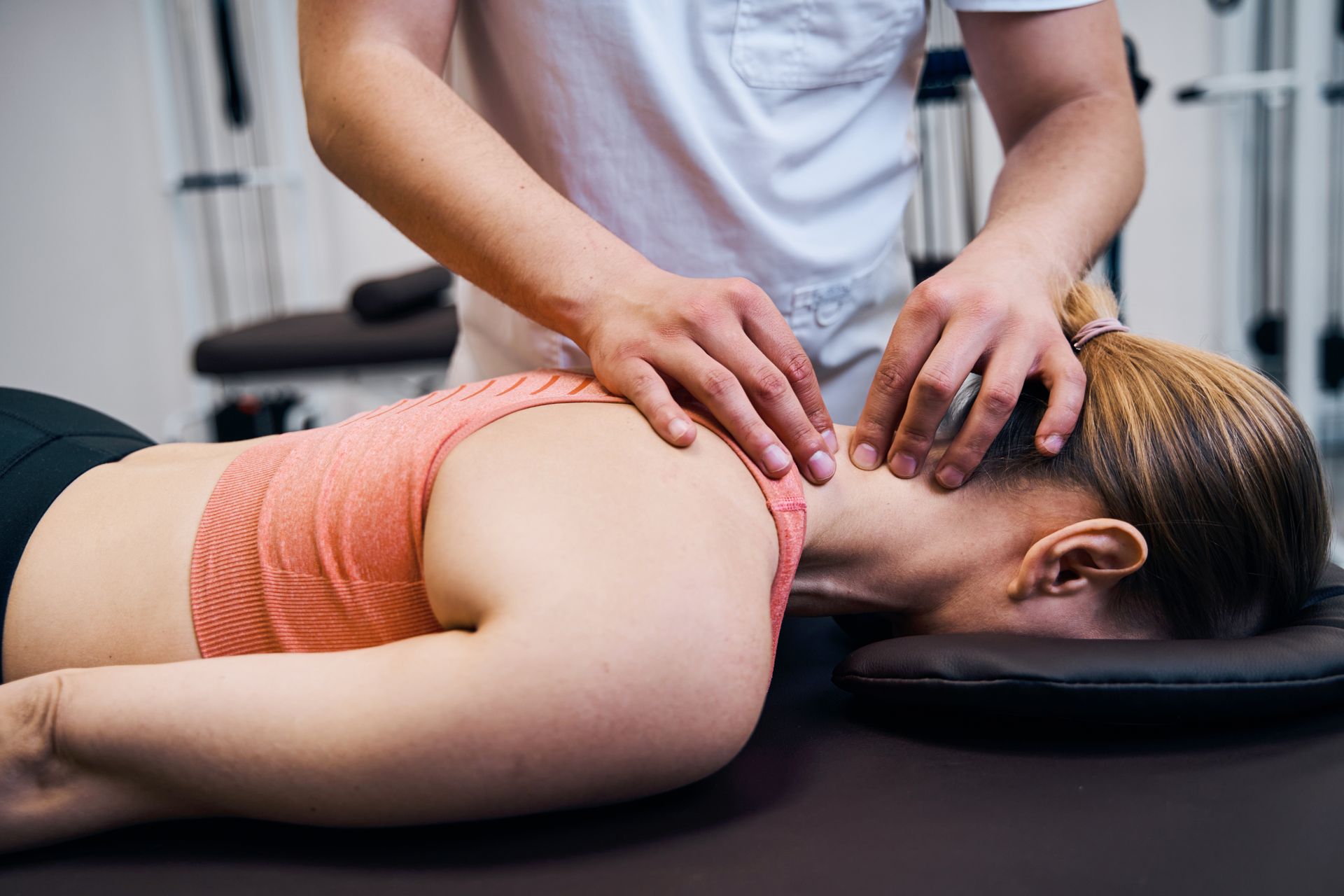
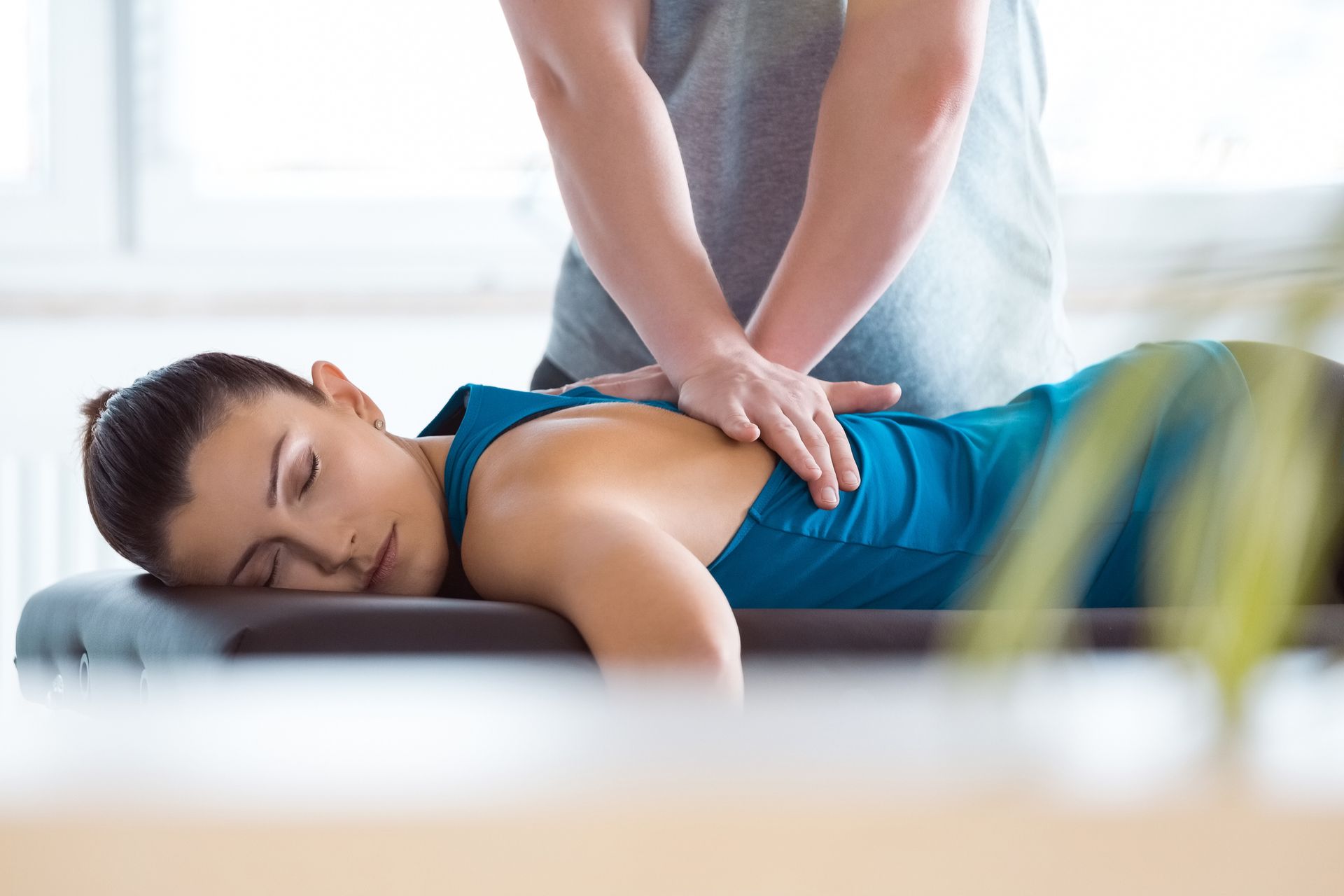
For back pain treatment in Philadelphia, PA, techniques like manual therapy and Instrument Assisted Soft Tissue Mobilization (IASTM) can make a meaningful difference. IASTM uses specialized tools to break down scar tissue and restore healthy movement in the muscles and connective tissue surrounding the spine. Manual therapy and mobilization uses hands-on techniques to reduce stiffness, restore joint mobility, and ease pain directly at its source.
Conservative interventions such as early physical therapy demonstrate meaningful clinical benefits and favorable outcomes when integrated into comprehensive care. These modalities can help patients move better and hurt less without adding medications to their daily routine.
When Is Medication Still Appropriate?
Medication is not always the wrong choice. It may be appropriate for managing severe acute pain immediately following an injury, a procedure, or a flare-up of a chronic condition. In those cases, short-term medication use can make it possible for a patient to participate in therapy and begin the recovery process.
The concern arises when medication becomes the only strategy. Low back pain remains a leading global cause of disability and economic burden, and no single therapy has proven consistently superior. This emphasizes the need for flexible, patient-centered care. Most clinical guidance today points toward combining medication with active back pain treatment rather than relying on one approach alone.
If you are currently taking medication for back pain and want to reduce your dependence on it, speaking with a physical therapist may be a good first step.
Frequently Asked Questions About Physical Therapy vs. Pain Medication for Back Pain
Is Physical Therapy Covered by Insurance in Philadelphia?
Most major insurance plans, including Medicare and Medicaid, typically cover physical therapy when prescribed by a physician. Coverage details vary by plan, so it is always worth calling your insurer or the therapy office directly to confirm your benefits before your first visit.
How Long Does It Take to See Results from Physical Therapy?
Many patients may begin to notice improvements within a few weeks of consistent treatment, though results depend on the severity and cause of the back pain. Your therapist will set realistic milestones and adjust your plan as you progress.
Can Physical Therapy Work If I Have Already Tried Medication?
Yes. Physical therapy can often help patients who have not found lasting relief from medication. Because it works differently and addresses mechanics and movement rather than just pain signals, it may provide benefits that medication alone cannot deliver.
Do I Need a Doctor's Referral to See a Physical Therapist in Pennsylvania?
Pennsylvania allows patients to begin physical therapy without a physician's referral for an initial period of treatment. After that window, your therapist may request that you see a physician to continue care. It is best to confirm the current requirements with your chosen clinic at the time you schedule.
Take the Next Step Toward Real Relief
Physical therapy may be the smarter long-term strategy for back pain treatment, and the evidence increasingly supports starting it early. Advanced Physical Therapy serves Philadelphia, PA, patients with experienced, hands-on care designed to treat the source of back pain, not just the symptoms. The team offers a full range of modalities, including manual therapy, IASTM, and personalized exercise programs, all tailored to each patient's specific needs.
If you are ready to explore a medication-free or medication-reduced path to recovery, contact us today to schedule your evaluation. You can also learn more about available back pain treatment options on the website. Call the team at (215) 742-8099 to get started.
Blog