
Massage Therapist vs. Spa Massage in Philadelphia: What's the Difference and Which Is Right for You
Not all Philadelphians know that choosing between a clinical massage therapist and a spa massage can meaningfully affect how quickly they recover from pain, injury, or everyday tension. This guide explains the key differences and helps you decide which approach may suit your needs.
What Makes Clinical Massage Different From a Spa Treatment
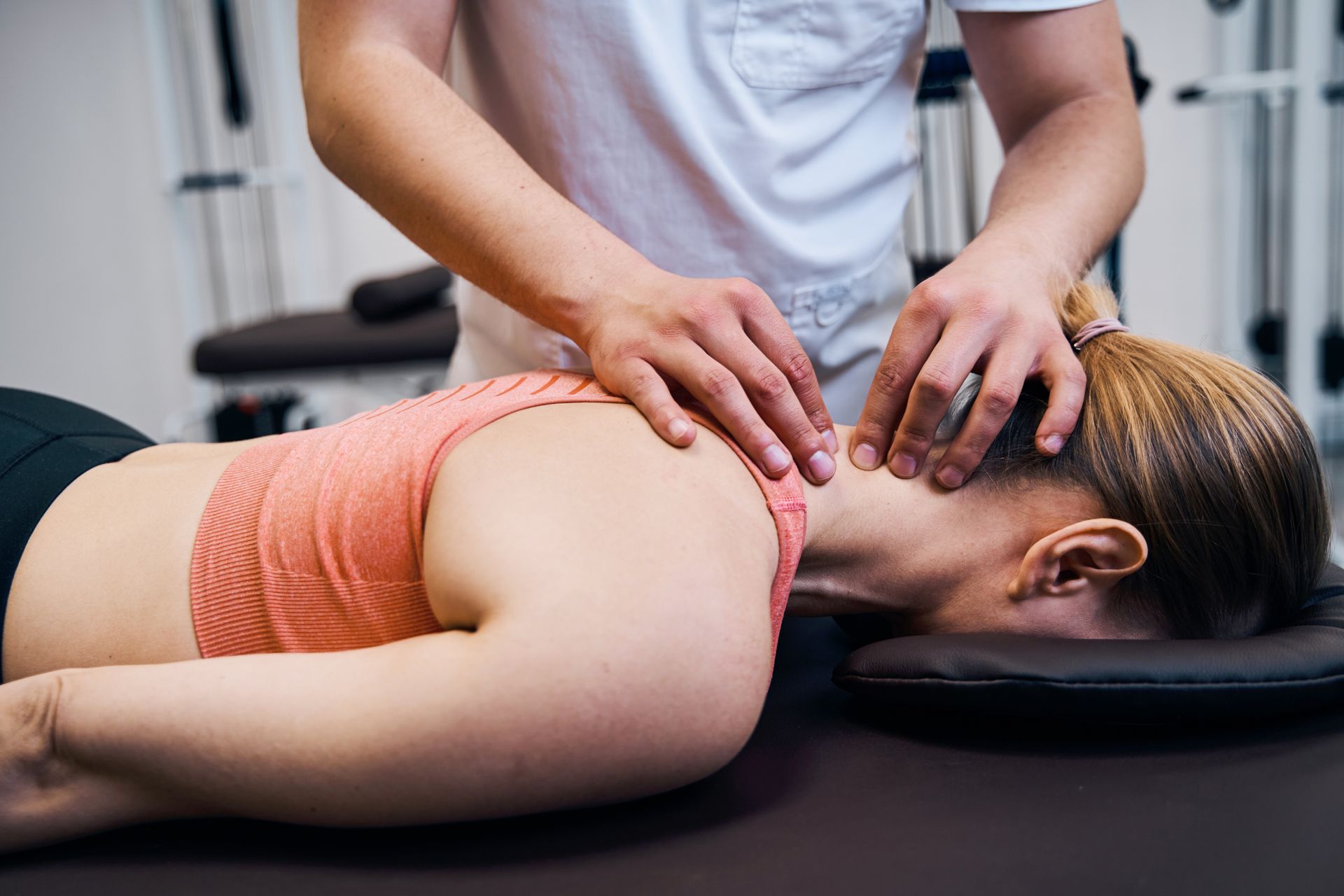
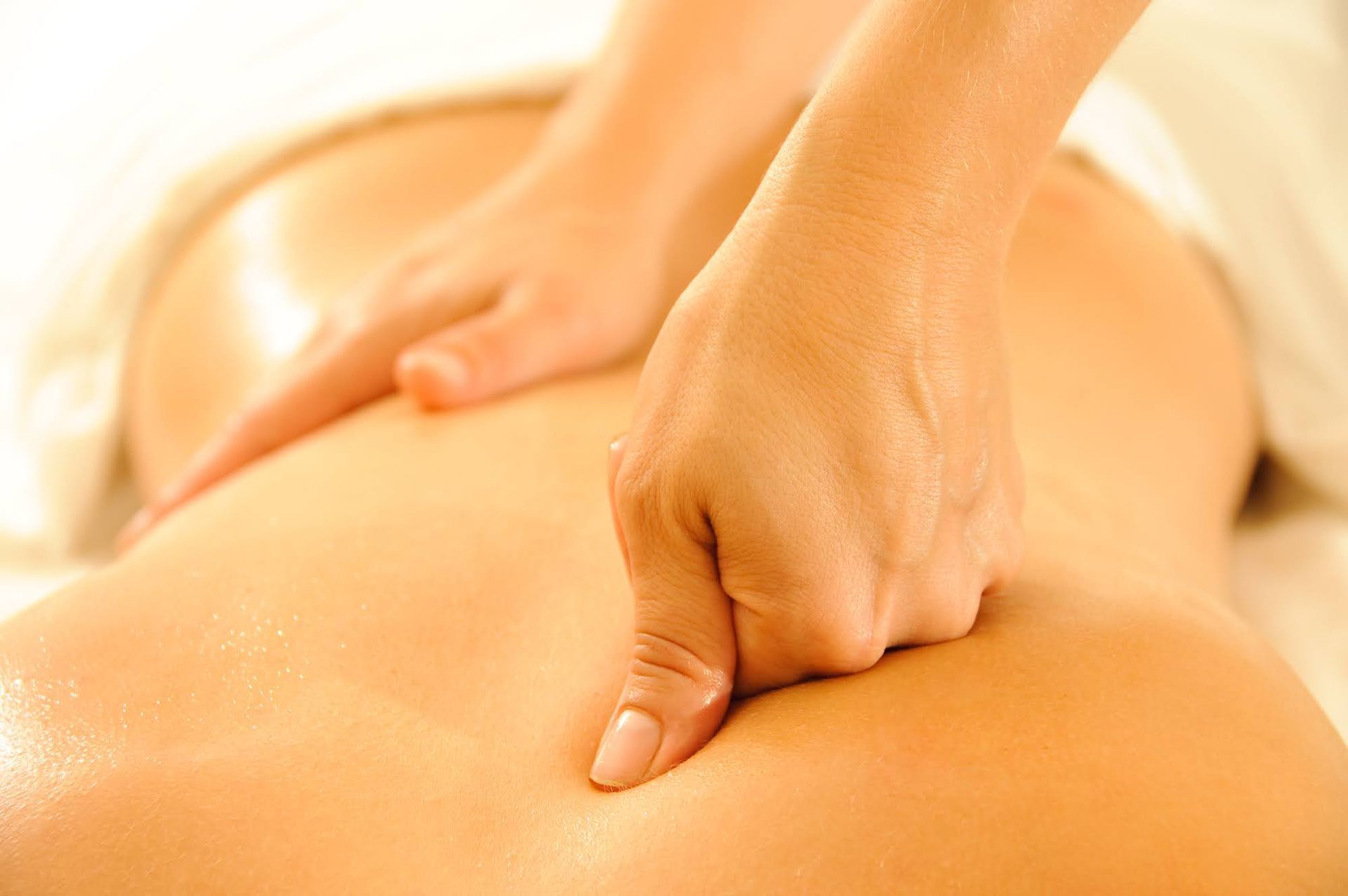
Clinical massage is a goal-directed, medically informed service. Where a spa massage is designed primarily for relaxation, clinical massage targets specific soft tissue problems tied to pain, injury, or limited mobility. A licensed therapist working in a clinical setting applies techniques based on an intake evaluation, not a generic menu selection.
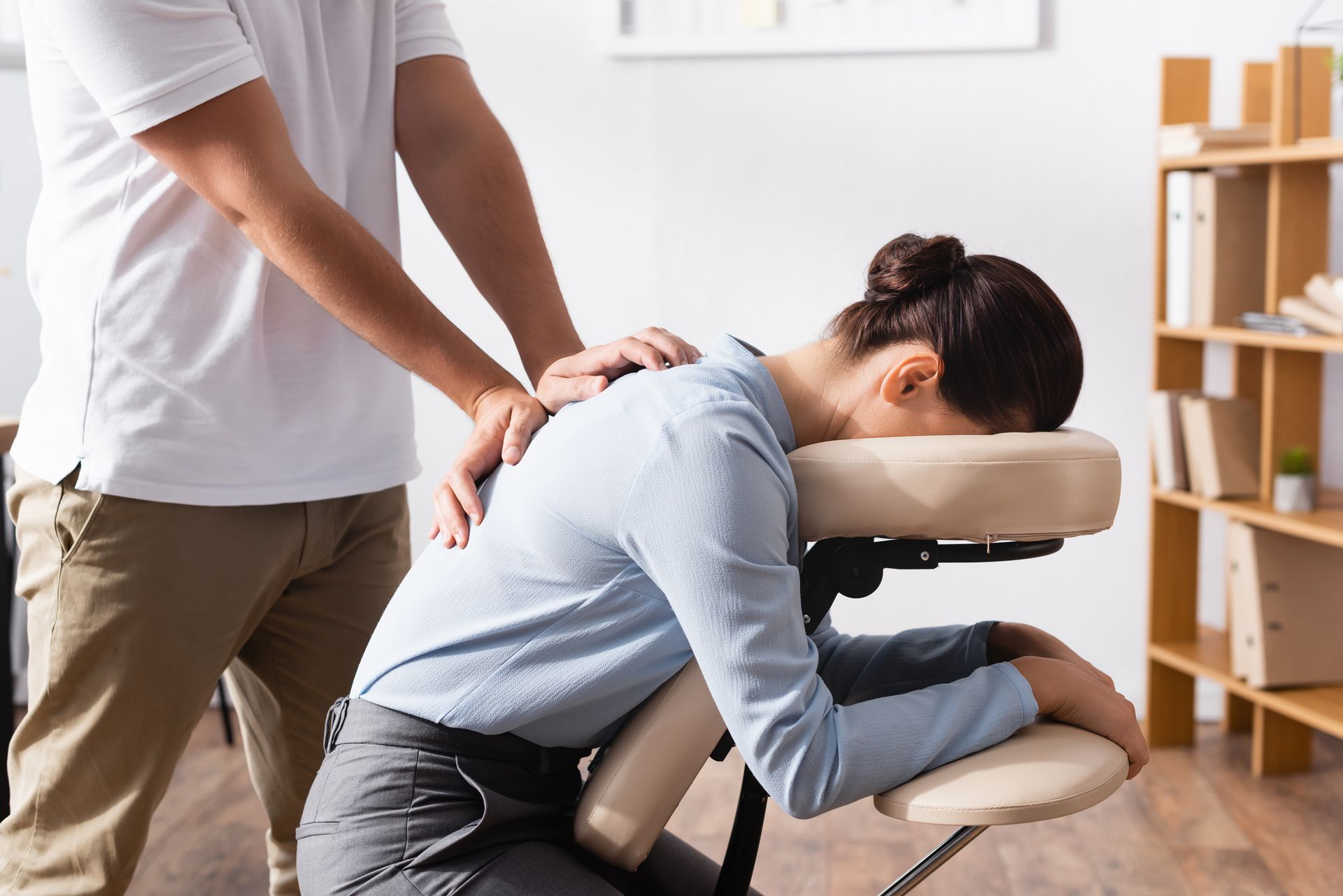
Spa massage centers on the guest experience. The environment is comfortable, the music is calm, and the strokes are typically long and flowing. That kind of session can ease everyday stress and may temporarily reduce muscle tension. It is not, however, designed to address a rotator cuff strain, post-surgical scar tissue, or chronic neck pain radiating from a pinched nerve.
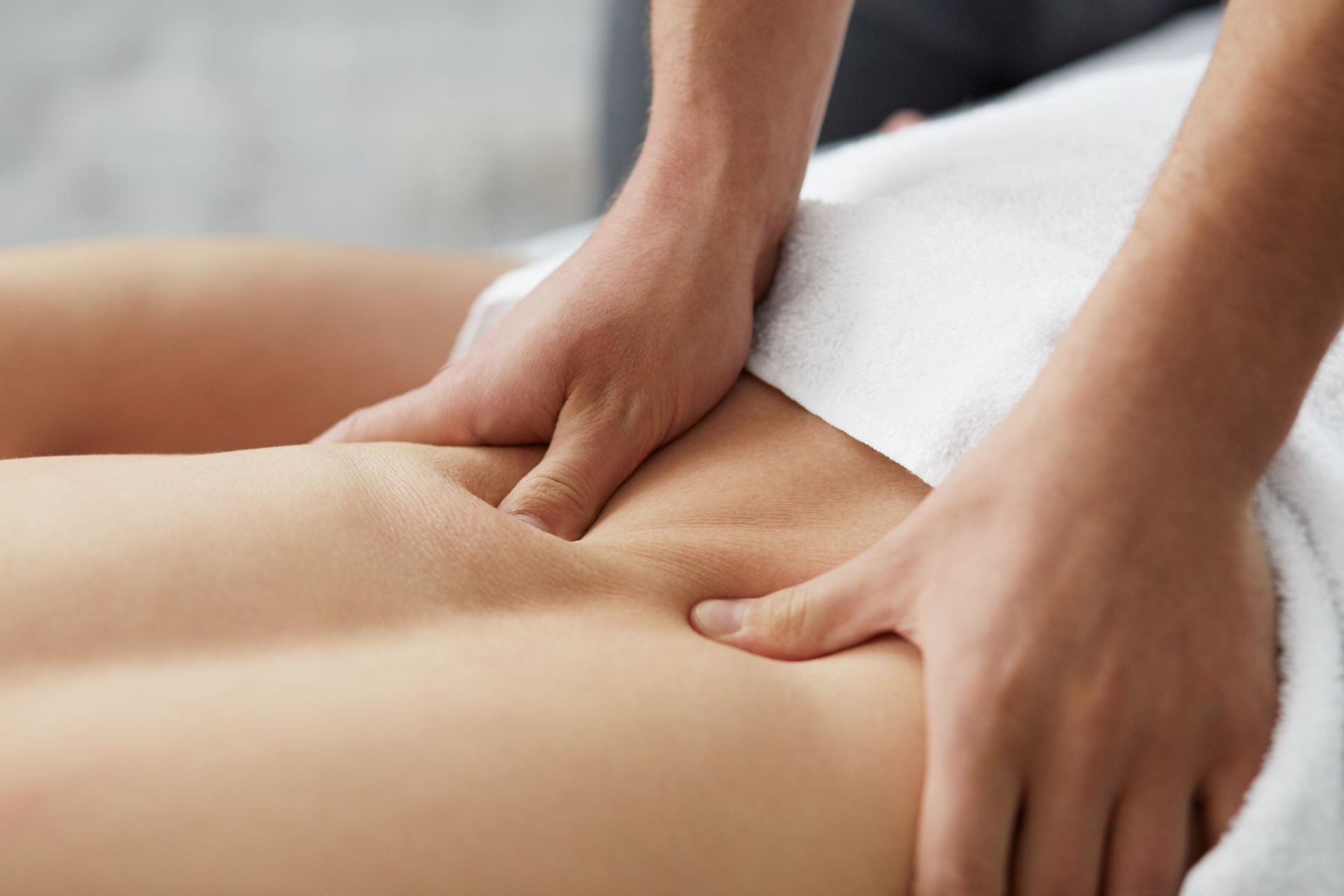
Clinical massage often draws from specialized methods such as transverse friction massage, Graston soft tissue mobilization, and retrograde massage to break up adhesions, improve circulation to injured tissue, and restore normal movement patterns. These are not techniques you are likely to encounter at a day spa in Center City or Chestnut Hill.
How Philadelphia Physical Therapy Practices Use Massage
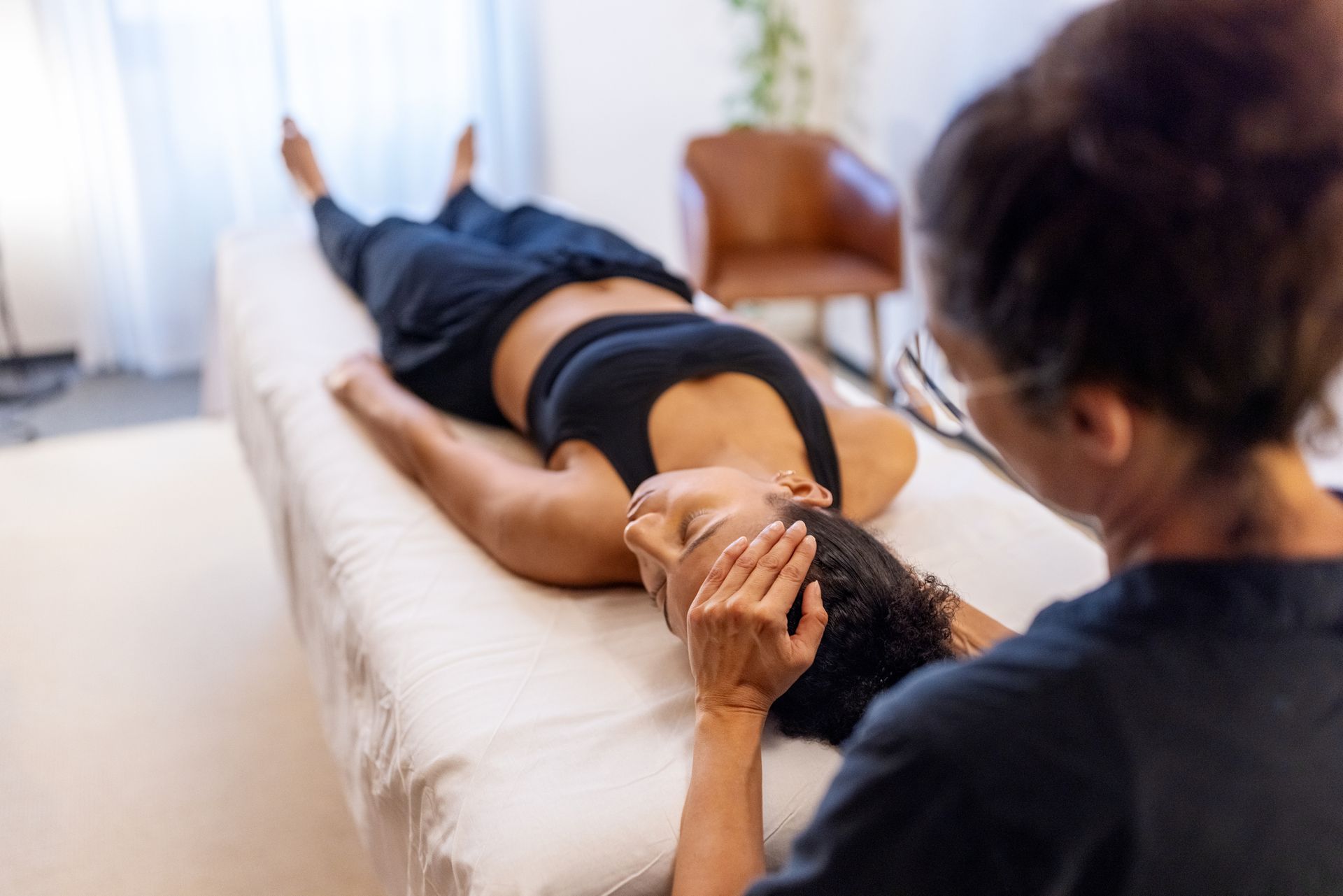
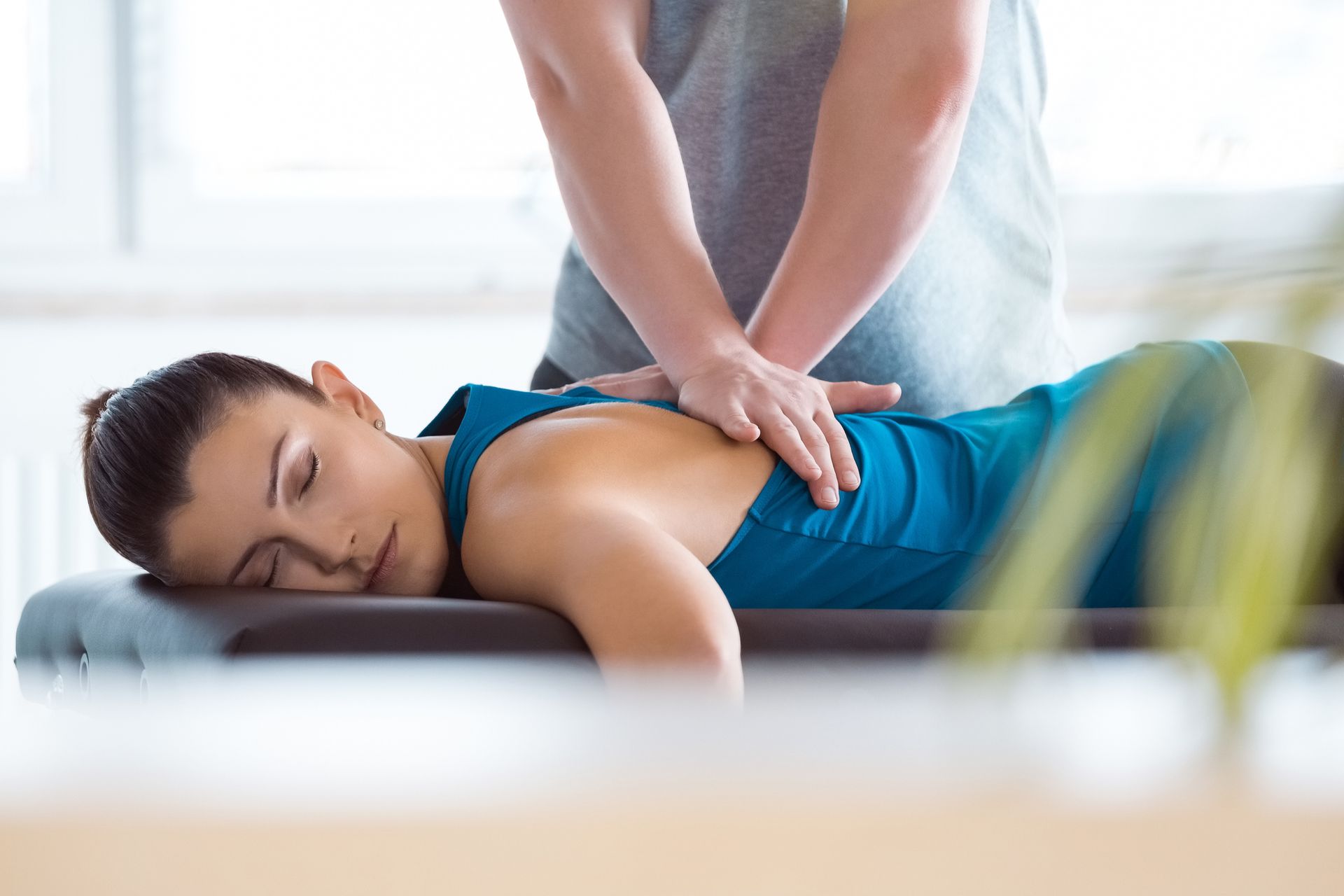
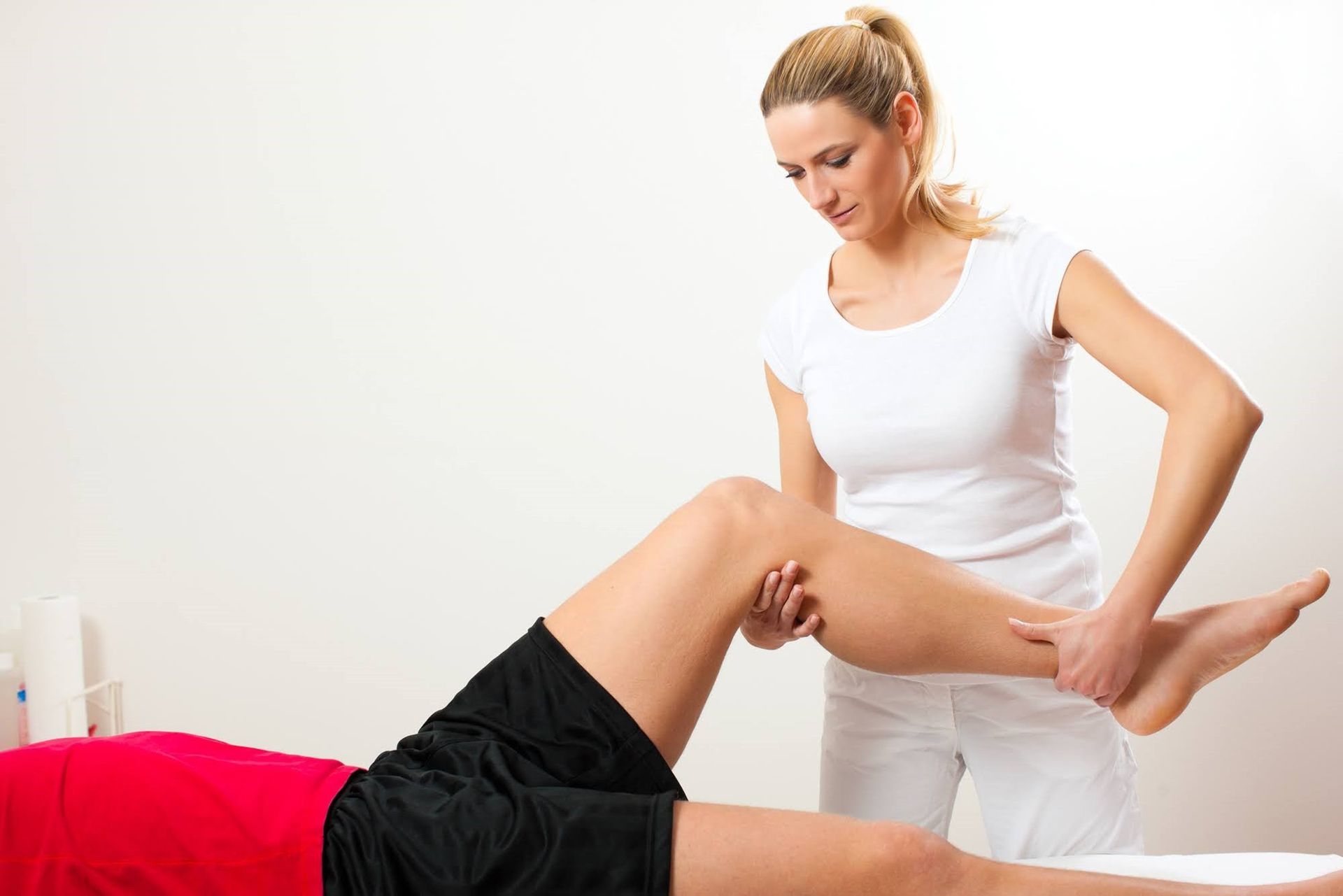
Physical therapy clinics in Philadelphia, PA, integrate massage as one part of a coordinated care plan. A licensed therapist working alongside physical therapists can target the soft tissue barriers that prevent a patient from progressing with strengthening exercises, in ways that either service alone may not replicate.
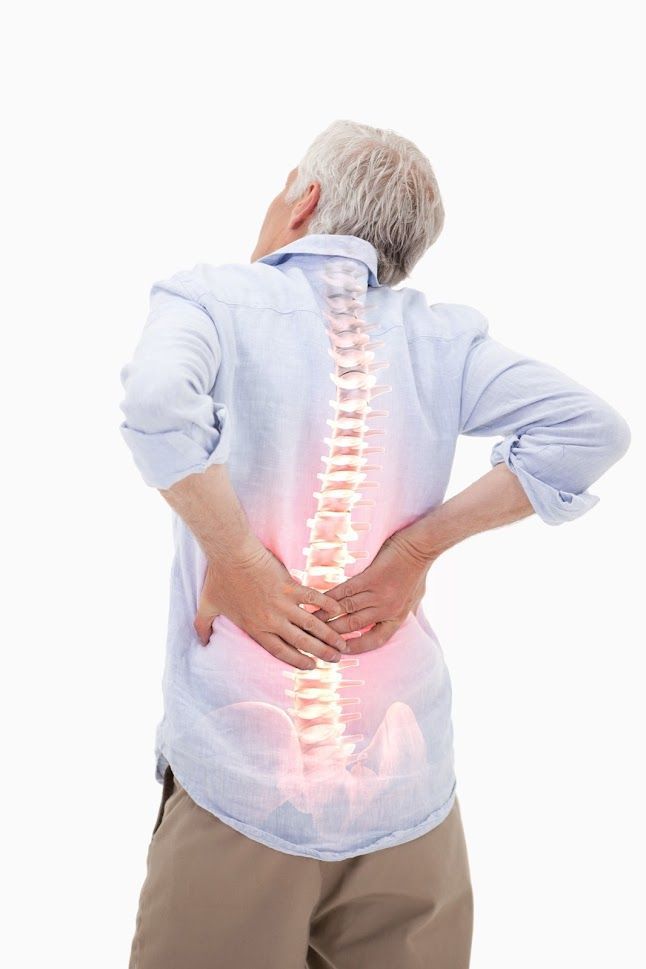
Conditions commonly treated in this integrated model include whiplash and accident injuries, post-surgical recovery, chronic back and neck pain, sports-related muscle strains, and tension headaches. Patients recovering from a workplace injury in Mayfair, a sports collision on the Northeast Philadelphia rec fields, or a car accident on the Roosevelt Boulevard may benefit from clinical massage embedded in a full physical therapy plan. Migraine frequency may also decrease with consistent therapeutic massage, and muscle pain connected to poor posture can respond to targeted clinical techniques paired with corrective exercise.
Which Modality Is Right for Your Condition
If you are managing an injury, recovering from surgery, living with chronic pain, or dealing with limited range of motion, clinical massage integrated with physical therapy is typically the more appropriate option. If you are a generally healthy individual managing everyday stress and muscle fatigue, a spa massage may offer real short-term comfort.
The clearest signal that you need clinical care is a specific symptom: pain that does not resolve after a few days of rest, stiffness that limits your activity, or discomfort that follows a trauma or procedure. In those cases, working with a clinical provider whose work is coordinated with a physical therapist may produce better, longer-lasting outcomes.
What to Look for in a Licensed Massage Therapist in Philadelphia
Not all massage providers carry the same credentials or clinical training. In Pennsylvania, massage therapists must hold a license issued by the State Board of Massage Therapy. Beyond the license, there are additional qualities worth evaluating.
Look for a therapist who conducts an intake assessment before your first session. A clinical provider will ask about your health history, current medications, areas of pain, and treatment goals. Consider whether the therapist is embedded in a physical therapy practice, where licensed physical therapists can evaluate your movement, identify the root cause of your pain, and design a comprehensive plan. Ask about specific techniques: providers trained in Graston massage, instrument assisted soft tissue mobilization (IASTM), or myofascial release bring a more targeted skill set to complex conditions.
Finally, ask whether your insurance may cover services when massage is provided as part of a documented physical therapy plan. Spa massage is never covered. Clinical massage integrated with physical therapy documentation may be eligible depending on your plan.
Is Clinical Massage Covered by Insurance?
Spa massage is not covered by insurance. Clinical massage provided as part of a documented physical therapy treatment plan may be covered depending on your specific policy. Contact your insurer and ask whether therapeutic massage billed alongside physical therapy codes is an eligible benefit.
Do I Need a Referral to See a Massage Therapist at a Physical Therapy Clinic?
Pennsylvania allows patients to begin physical therapy without a physician referral for the first 30 days of care. Whether you need a referral for massage within a physical therapy setting can depend on your insurance plan. Call the clinic directly to confirm what your plan requires before your first visit.
How Is a Massage Therapist in a Physical Therapy Setting Different From a Spa Therapist?
A clinical therapist works from an intake evaluation, uses goal-directed techniques, and coordinates care with physical therapists on staff. A spa therapist focuses on comfort and relaxation using standardized protocols. The credentials, techniques, and clinical context are meaningfully different.
Ready to Find the Right Care for Your Needs
Advanced Physical Therapy, located in Northeast Philadelphia, PA, offers clinical massage therapy as a fully integrated part of each patient's personalized care plan. Their team uses techniques including Graston massage, retrograde massage, and transverse friction massage alongside physical therapy services covering sports injuries, post-surgical recovery, back pain, and more. Call (215) 742-8099 or contact the team directly to schedule your appointment. You can also visit the massage therapy service page to learn more. Find Advanced Physical Therapy on Google to read patient reviews and get directions.
Blog