Clinical Massage vs. Spa Massage: What Philadelphia Patients Need to Know in 2026
Not every massage is the same, and Philadelphia patients who understand the difference between clinical and spa massage may be better equipped to choose the right care. A licensed Massage Therapist working inside a physical therapy clinic operates in a very different role than one at a day spa. Massage therapist services in Philadelphia, PA, are available in both settings, but the goals, techniques, and outcomes vary significantly.
What Is the Difference Between Clinical and Spa Massage?
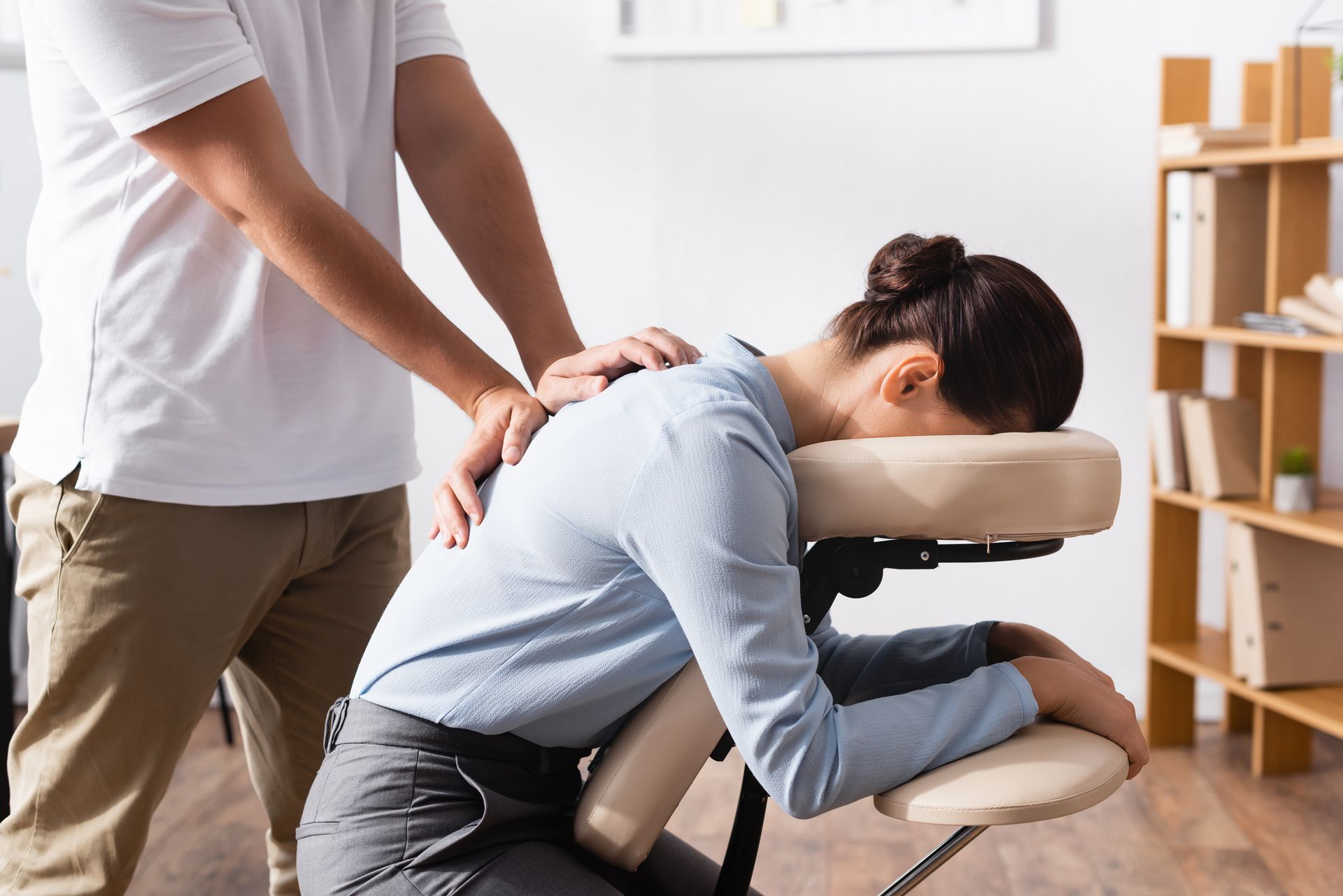
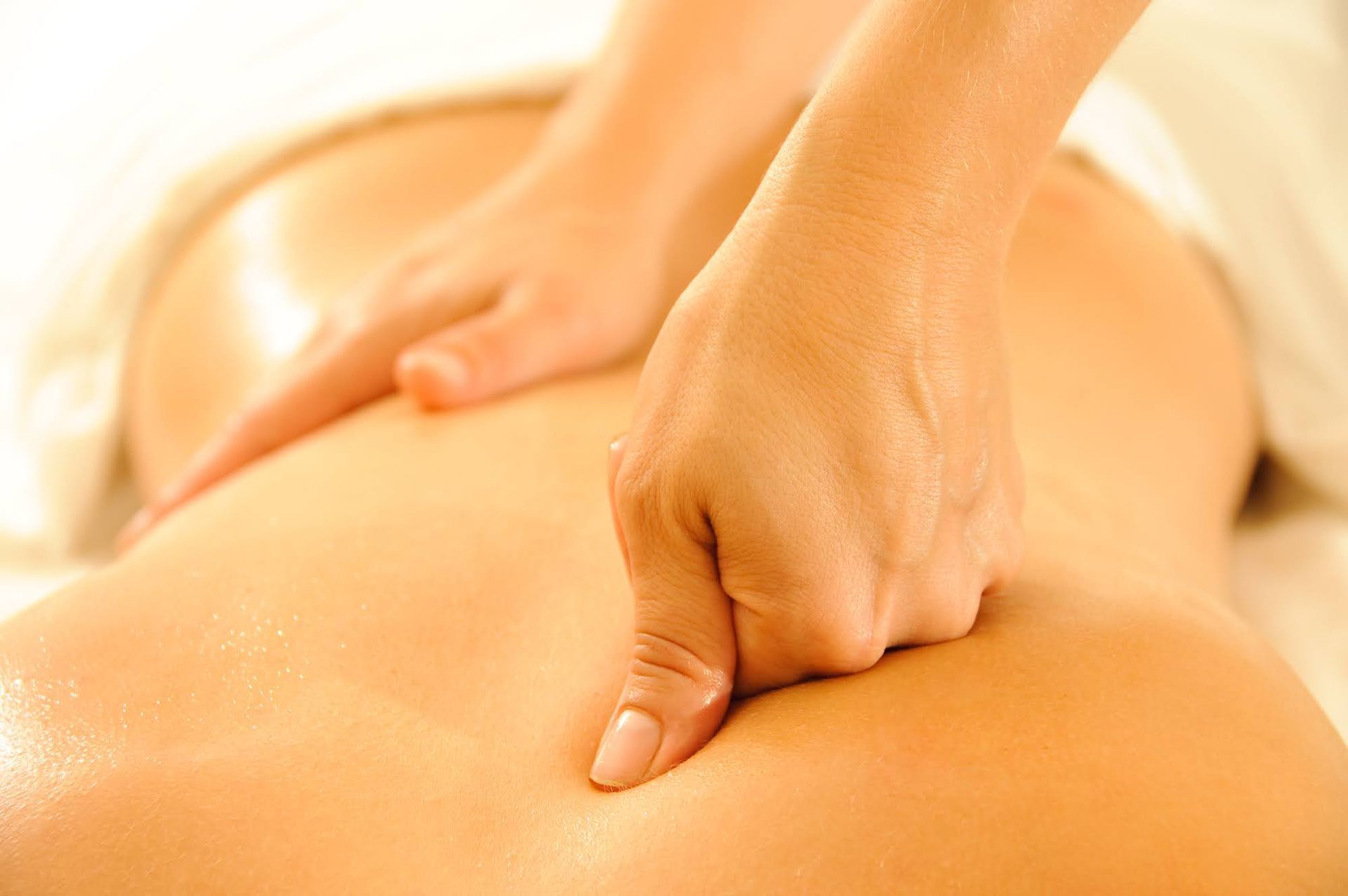
Spa massage, such as a classic Swedish session, focuses on relaxation. Long, flowing strokes calm the nervous system and ease everyday tension. It is a great option when stress relief or general comfort is your main goal.
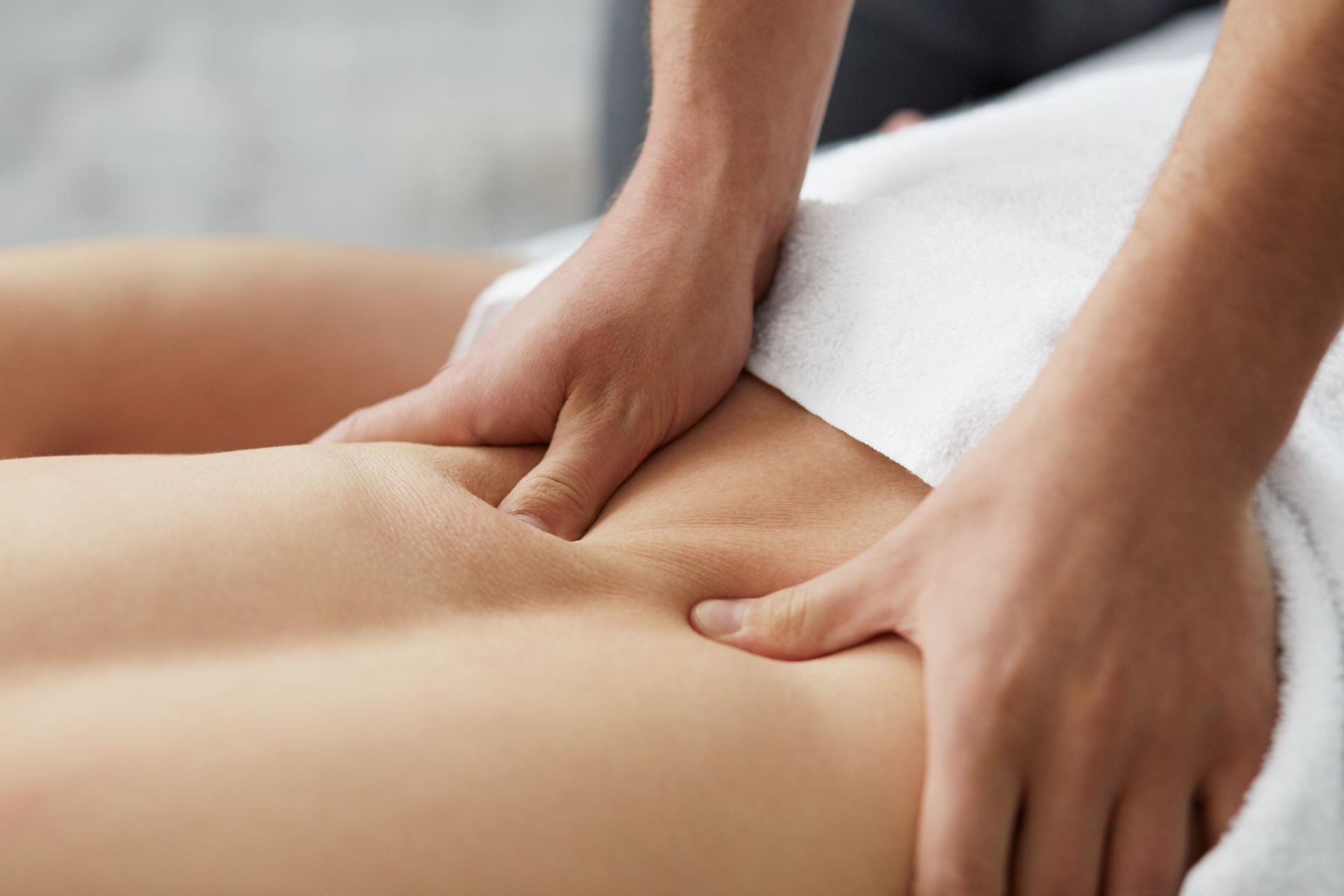
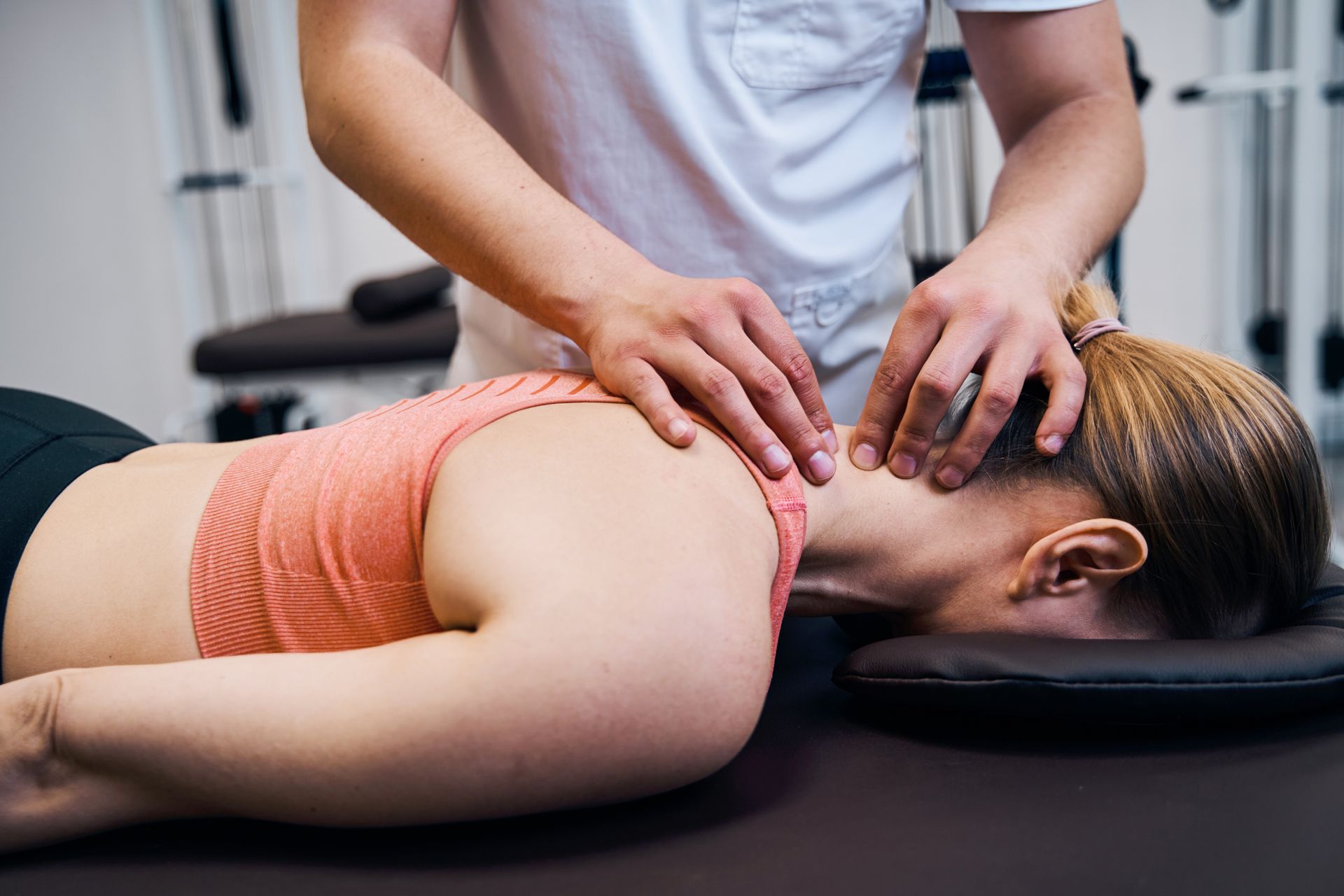
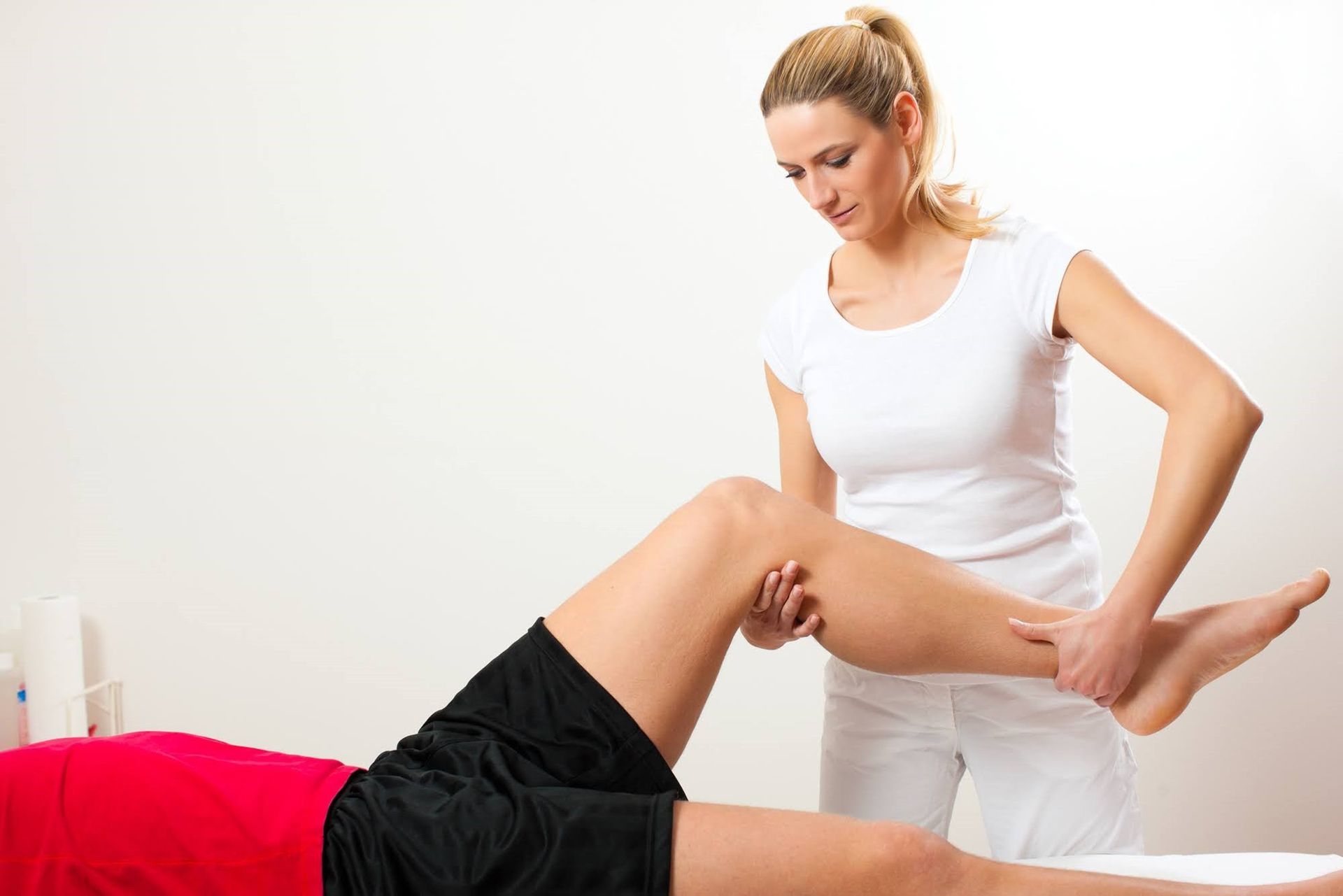
Clinical massage, often called therapeutic or medical massage, targets specific musculoskeletal problems such as soft tissue injuries, post-surgical scar tissue, chronic neck pain, or sports-related strain. A Massage Therapist in a clinical setting works from a documented treatment plan coordinated with your physical therapy team. Techniques such as deep tissue work, myofascial release, and Instrument Assisted Soft Tissue Mobilization (IASTM) address the root cause of your discomfort, not just surface tension.
Who Benefits Most from Clinical Massage in Philadelphia?
Clinical massage supports patients with a specific injury or condition to address. Common examples include:
- Whiplash and other accident injuries where soft tissue damage needs targeted treatment.
- Chronic muscle pain in the back, neck, or shoulders that has not responded to rest alone.
- Post-surgical recovery where breaking down scar tissue may support better range of motion.
- Sports injuries affecting Northeast Philadelphia athletes who need to return to activity safely.
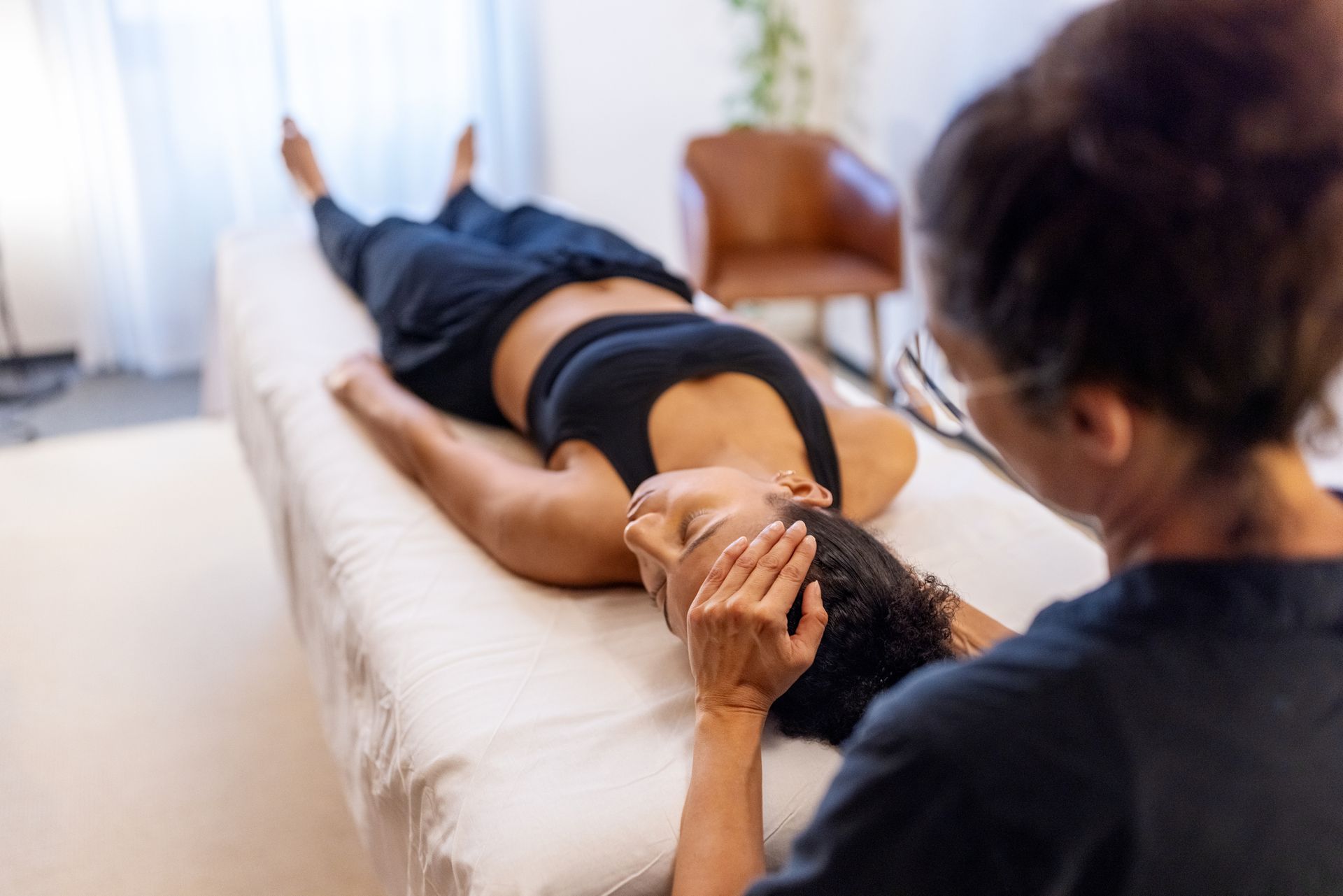
- Recurring migraine headaches, where massage may reduce both intensity and frequency.
Patients across Philadelphia neighborhoods, from Rhawnhurst and Fox Chase to Bustleton and Mayfair, are increasingly asking whether insurance covers clinical massage when it is part of a documented physical therapy plan. Coverage often depends on a physician referral and a formal diagnosis, so call your insurer before your first appointment.
What Should You Ask Your Therapist at the First Visit?
Come prepared with a few key questions. Ask whether your Massage Therapist will coordinate with a physical therapist around your specific goals. Ask which techniques will be used and why. Ask whether your condition has been documented in a care plan. Ask whether a physician referral may improve insurance coverage. These questions help you confirm whether you are receiving a clinical service or a relaxation experience.
When Does a Referral Help?
A physician or physical therapist referral may open additional options. It can trigger insurance coverage, ensure your sessions are built around a documented injury or condition, and allow your clinical team to track progress over time. For patients managing post-surgical recovery or chronic pain in Philadelphia, PA, working with a qualified Massage Therapist as part of a coordinated care plan may make a measurable difference in outcomes.
Take the Next Step Toward Targeted Relief
If you want to relax and decompress, a spa is a fine choice. If you are dealing with a specific injury, chronic pain, or a recovery timeline, a clinical setting may serve you far better.
Advanced Physical Therapy serving Philadelphia, PA, integrates massage therapy directly into individualized care plans designed around your recovery. Explore the massage therapy services offered by the team by
contacting us to ask whether clinical massage is right for your situation.
Blog